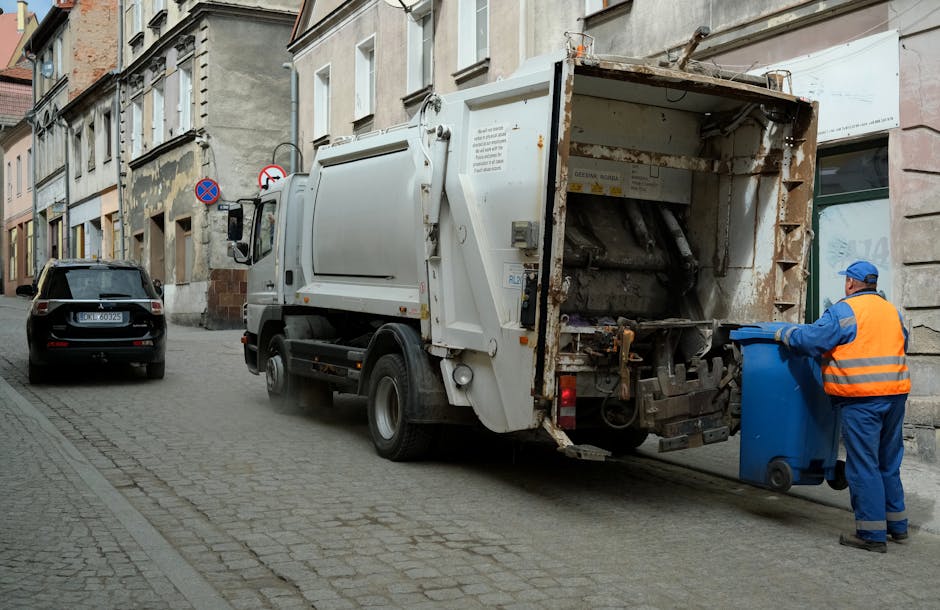
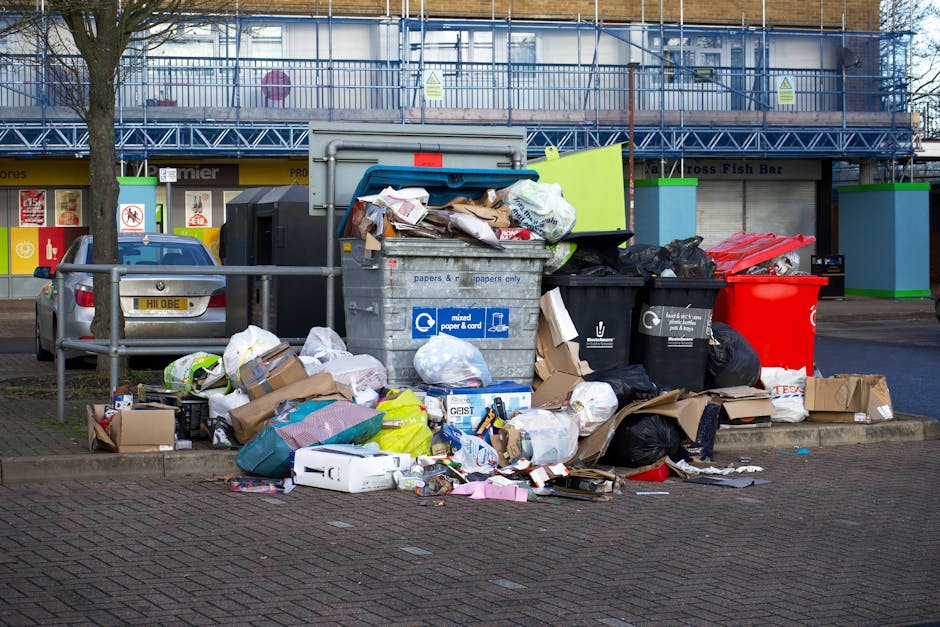
Affordable rubbish removal for Berkhamsted High Street
If you run a shop, manage a property, or simply need clutter gone without paying over the odds, affordable rubbish removal for Berkhamsted High Street is really about one thing: getting the job done quickly, neatly, and without nasty surprises. High Street locations can be awkward at the best of times. Tight access, passing footfall, awkward parking, and the general "can we get this out before lunchtime?" pressure all make waste clearance a little more involved than a simple tidy-up at home.
That is why the cheapest option is not always the best option. The smart choice is a service that feels efficient, transparent, and properly handled from start to finish. In this guide, you will find a practical breakdown of how rubbish removal works, what affects price, where people go wrong, and how to keep things affordable without cutting corners. Let's make it straightforward.
For broader service context, you may also find the main waste removal page helpful, especially if your job involves mixed loads or repeated collections.
Table of Contents
- Why Affordable rubbish removal for Berkhamsted High Street Matters
- How Affordable rubbish removal for Berkhamsted High Street Works
- Key Benefits and Practical Advantages
- Who This Is For and When It Makes Sense
- Step-by-Step Guidance
- Expert Tips for Better Results
- Common Mistakes to Avoid
- Tools, Resources and Recommendations
- Law, Compliance, Standards, or Best Practice
- Options, Methods, or Comparison Table
- Case Study or Real-World Example
- Practical Checklist
- Conclusion
- Frequently Asked Questions
Why Affordable rubbish removal for Berkhamsted High Street Matters
High Street rubbish removal is not just a matter of "getting rid of stuff". On a busy commercial stretch, waste affects appearance, safety, customer experience, and day-to-day operations. A piled-up back room or a blocked entrance can make a business look tired very quickly. And if you are a resident in a nearby flat or above a shop, clutter can turn into a practical headache before you know it.
Affordability matters too, obviously. Nobody wants to pay premium rates for a small load, but nobody wants hidden extras either. The real issue is value. A good service saves time, avoids disruption, and reduces stress. That matters most on streets where access is awkward and timing really does matter.
There is also the local reality. Berkhamsted High Street tends to reward services that arrive prepared, collect efficiently, and leave the area tidy. If the team is not organised, you can end up with wasted minutes, frustrated neighbours, and a job that drags on longer than it should. Not ideal.
Expert summary: The most affordable rubbish removal is usually the one that matches the load size correctly, handles access well, and avoids re-visits. Cheap and careless is expensive in disguise.
How Affordable rubbish removal for Berkhamsted High Street Works
In practical terms, rubbish removal is usually a collection service where a team loads and disposes of waste for you, rather than you hiring a container and doing the heavy lifting yourself. That distinction matters. It can save time, reduce lifting, and suit places where space is limited. High Street properties often benefit from this approach because the service is flexible and usually more adaptable than a fixed skip drop.
The process is generally simple. You describe the waste, the access, and the approximate volume. A quote is then based on the type and amount of material, how long loading is likely to take, and whether there are any awkward items such as appliances or heavy furniture. If the load is straightforward, the collection can often be brisk. If the waste is mixed, bulky, or poorly stacked, the price can move up a bit. Fair enough.
Some jobs are one-off clearances. Others are recurring, such as ongoing business waste removal for a shop, office, or hospitality space. If that sounds like your situation, a more regular service may make more sense than ad hoc collections. For businesses with repeat needs, the business waste removal service is a useful route to explore.
You may also come across services for specific item types. That is not marketing fluff; it can genuinely keep costs under control. For example, a sofa, mattress, fridge, or builder's rubble may need different handling and disposal routes. Splitting the job into the right service category often keeps things cleaner and more predictable.
What typically affects the collection process?
- How much rubbish there is
- Whether items are loose or bagged
- Access from road to property
- Parking restrictions and loading time
- Whether the waste is mixed or separated
- If any items need specialist handling
Key Benefits and Practical Advantages
The obvious benefit is cost control, but there is more to it than that. A well-run rubbish removal job saves time and takes pressure off you, especially if the waste is becoming a visual or practical problem. On a busy street, that can mean less disturbance for customers, neighbours, and staff.
Another benefit is flexibility. Unlike some disposal methods, collection services can be scaled to the actual job. A small clear-out does not need a giant solution. A mixed load from a flat, a stockroom, or a shop refit can be handled in one visit if planned properly. That flexibility is one of the biggest reasons people choose it.
Then there is the less glamorous but very real advantage: less physical work. Let's face it, nobody enjoys hauling a broken wardrobe down narrow stairs or wrestling a fridge through a tight doorway. A crew that knows what they are doing can make all the difference.
Other practical advantages include:
- Speed: useful when the waste needs to disappear quickly
- Cleaner premises: better presentation and less clutter
- Reduced disruption: important for trading businesses
- Safer handling: fewer risks from lifting or sharp edges
- Better planning: easier to match cost to actual need
If you are clearing a property rather than just a few bags, services such as home clearance or house clearance may be more suitable than a generic collection. That tends to be where the savings are hidden: choosing the right type of service first time.
Who This Is For and When It Makes Sense
This kind of rubbish removal is a strong fit for quite a few people. Retailers, offices, landlords, homeowners, tenants, letting agents, tradespeople, and cafe or hospitality operators all tend to have different waste problems, but the same broad goal: remove it efficiently and affordably.
It especially makes sense when the waste is too much for normal bins, too awkward for a casual car-load trip, or too time-sensitive to leave lying around. A Saturday morning shop refit, a Monday office clear-out, or the end of a tenancy can all suddenly produce more rubbish than expected. Happens all the time.
Some common scenarios include:
- Shop fittings, cardboard, packaging, and display waste
- Office declutter jobs and old furniture
- End-of-tenancy clearances in flats above commercial units
- Builder's waste after small refurbishments
- Garden waste from front or rear tidy-ups
- Bulky items that are difficult to move safely
If your waste is mostly bulky furniture, a specialised option may save money and hassle. You can look at furniture clearance or the more direct furniture disposal route depending on whether the items are part of a larger load.
And if you are dealing with old beds, a worn-out sofa, or that one mattress nobody wants to touch, there are dedicated solutions too. The mattress and sofa disposal page is relevant there.
Step-by-Step Guidance
If you want to keep the price sensible and the process painless, a bit of planning helps. Nothing dramatic. Just a few sensible steps.
- List what needs removing. Make a quick note of item types, rough volume, and whether anything is especially heavy or fragile.
- Separate obvious categories. Keep general waste apart from furniture, appliances, green waste, or builder's debris where possible.
- Check access. Think about stairs, narrow hallways, rear entrances, parking, and loading distance from the property.
- Ask about restricted items. Some materials need specialist disposal. Do not leave that to guesswork.
- Get a clear quote. Make sure the price reflects the actual job and not just a vague estimate.
- Prepare the area. Move loose items together if you can, and leave a clear route to the waste.
- Confirm timing. On a busy street, the difference between "morning" and "midday" can be the difference between easy and awkward.
If your waste comes from a refurbishment, a dedicated builders waste clearance service is often a better fit than trying to bundle everything into a general load. Builders' rubble, timber offcuts, plasterboard, and mixed renovation waste can alter both handling and pricing.
For lofts, garages, or storage areas, the right route may be more about the space than the waste itself. A garage clearance or loft clearance can remove a surprisingly mixed set of items, and the planning approach is much the same: sort, list, and keep access clear.
Expert Tips for Better Results
Over the years, one thing becomes pretty clear: the best savings often come from preparation, not from pushing the price down at the last minute. A few careful choices can shave off time, reduce labour, and keep the quote realistic.
First tip: be honest about the volume. Underestimating waste is one of the fastest ways to blow a budget. If the team turns up and the pile is twice what was described, the job changes shape very quickly.
Second tip: keep similar items together. One stack of cardboard, one corner for metal, one area for furniture. It makes loading smoother and, in many cases, helps with recycling too. You do not need a full sorting system, just enough order that the collection team can work efficiently.
Third tip: choose the right day and time where possible. A quieter window can reduce disruption and make access easier. That matters on High Street locations, especially where parking, pedestrians, and deliveries all compete for the same bit of road.
Fourth tip: do not keep "maybe" items at the edge of the job. If you are unsure whether something is going, decide before the crew arrives. Otherwise the pile expands by stealth. It happens more than people admit.
Fifth tip: ask about recycling and sorting before booking. A provider with a clear approach to reuse and recycling is usually thinking more carefully about the disposal chain, which is a good sign. You can also review the company's recycling and sustainability approach if that matters to you.
Common Mistakes to Avoid
The most common mistake is simple: choosing a service based only on the headline price. If the quote looks too low, check what is excluded. Sometimes loading, lifting, access issues, and disposal costs are treated separately. That can turn a bargain into a surprise bill, which is nobody's favourite outcome.
Another error is mixing normal rubbish with items that may require special handling. Fridges, some electrical items, and anything potentially hazardous should not be treated casually. If in doubt, ask before collection. It is much easier than trying to undo a problem later.
People also forget to think about access. A clear driveway or a wide-loading bay is one thing. A narrow street with parked cars and a steep stairwell is another. The more detailed the access information, the better the quote tends to be.
Other easy-to-avoid mistakes:
- Leaving the booking until the last minute
- Not measuring bulky furniture or appliances
- Assuming every item can go in the same load
- Not checking whether the provider is insured
- Forgetting to ask how waste is handled after collection
If you are unsure about appliances, use the relevant specialist page such as fridge and appliance removal. That is the safer route than guessing, and it usually leads to a cleaner result.
Tools, Resources and Recommendations
You do not need fancy equipment to prepare for rubbish removal, but a few simple tools can make the job smoother. A tape measure helps with bulky items. Sturdy bags or boxes help keep loose waste under control. Gloves are useful if you are handling sharp edges, broken fittings, or dusty loft contents. Nothing glamorous, but very practical.
For most readers, the most useful "resource" is a clear description of the waste before collection. A few photos, a rough count of bags, and a note about access often do more than a long explanation ever could. It helps the provider judge labour, vehicle size, and timing properly.
Here are sensible recommendations if you want a smooth booking:
- Measure large items before requesting a quote
- Take a quick photo of the waste area
- Keep bags sealed and boxes stacked safely
- Remove obvious personal items from mixed clearances
- Ask whether the service covers loading and disposal together
For mixed property jobs, these pages are worth considering: flat clearance, office clearance, and garage clearance. They are useful when the waste is more "clear the space" than "take a few items away".
Law, Compliance, Standards, or Best Practice
When rubbish is being removed commercially or in a property context, best practice matters. You do not need to become a waste law expert, but you should expect sensible handling, lawful disposal routes, and clear communication about what can and cannot be taken. If a provider seems vague about this, that is a warning sign.
In the UK, waste must be handled responsibly, and certain items need special treatment. Hazardous materials, confidential documents, and some electrical or refrigerant-containing appliances should be dealt with through the correct route. It is not about being over-cautious; it is about avoiding unnecessary risk and keeping the process compliant.
Best practice usually includes:
- Clear separation of general and specialist waste
- Safe lifting and loading methods
- Properly insured operations
- Transparent pricing and service scope
- Recycling where appropriate and practical
If your clearance touches sensitive paperwork, you may want to look at confidential shredding. That is especially relevant for offices, agents, and businesses clearing old files. It is one of those small details people forget until the last minute.
For peace of mind, it is also worth checking operational information such as insurance and safety and the company's health and safety policy. Not thrilling reading, I know. But useful. Very useful.
Options, Methods, or Comparison Table
There are usually a few ways to tackle rubbish removal, and the right one depends on the size of the job, the type of waste, and how quickly it needs clearing. Here is a simple comparison to help you decide.
| Method | Best for | Pros | Trade-offs |
|---|---|---|---|
| Booked rubbish removal collection | Mixed loads, bulky items, quick turnarounds | Convenient, flexible, labour included | Quote depends on access and waste type |
| Skip-style approach | Ongoing DIY or renovation waste | Good for bigger, gradual fills | Needs space and may involve permits or access planning |
| Specialist item removal | Appliances, mattresses, sofas, fridges | Safer handling, clearer pricing | May not suit mixed general waste |
| Full clearance service | Rooms, flats, garages, lofts, offices | Best for large clean-outs and time savings | Usually more involved than a simple pickup |
If you are trying to decide between a basic collection and a more structured solution, it can help to think in terms of speed versus volume. Small, awkward loads often suit collection. Bigger, slower jobs may suit a more comprehensive clearance. For skip-related planning, the what can go in a skip page can also be helpful, even if you do not end up using a skip.
Case Study or Real-World Example
Picture a small independent business on Berkhamsted High Street. Nothing dramatic. Just a modest refit after years of furniture accumulating in the back room, a few old display units, packing waste, and a battered office chair that should have retired a long time ago. The owner needs the space cleared before opening on Monday morning.
The sensible move is not to overcomplicate it. First, the items are grouped by type: furniture, cardboard, and a couple of awkward pieces that need lifting carefully. Then access is checked. Is there a loading point nearby? Are there narrow internal steps? Is there a time window when the street is quieter? Those questions save more money than people expect.
In a case like this, a tailored collection can often be the best fit. The load is too much for normal bins, too inconvenient to move privately, and too time-sensitive to leave sitting around. A provider that understands how to work around a busy High Street can clear it quickly, leave the place tidy, and keep the business moving. Simple, really.
That same logic applies to domestic jobs too. A flat clear-out after a tenancy, a garage full of old boxes, or a loft packed with years of "we'll deal with that later" can all be handled more easily when the waste is described clearly at the start.
Practical Checklist
Use this before you book. It keeps things tidy and helps avoid extra costs.
- Have you listed every item that needs removing?
- Do you know roughly how much waste there is?
- Have you separated general rubbish from specialist items?
- Have you checked access, parking, and loading space?
- Have you measured bulky furniture or appliances?
- Do you know whether confidential or hazardous items are included?
- Have you asked for a clear, itemised quote where possible?
- Do you know when the collection needs to happen?
- Have you made the route to the waste as clear as possible?
- Have you checked the provider's safety and disposal information?
Quick takeaway: the more accurate your description, the more affordable and efficient the collection is likely to be. That is the whole game, really.
Conclusion
Affordable rubbish removal for Berkhamsted High Street is not about chasing the lowest number and hoping for the best. It is about matching the right service to the right waste, keeping access simple, and making sure everything is handled properly. Do that, and you will usually spend less, save time, and avoid the awkward bits that make clearance work harder than it should be.
Whether you are clearing a flat, emptying a garage, removing office clutter, or dealing with mixed rubbish from a High Street business, the smartest approach is the one that feels calm and predictable. There is something genuinely reassuring about seeing a space go from cramped to clear in one visit. You can almost hear the room breathe again. Bit dramatic, maybe, but true.
If you are ready to move forward, take a moment to compare your waste type, access, and timing, then choose the service that best fits the job. Small decisions now save bigger headaches later.
Get a free quote today and see how much you can save.
Frequently Asked Questions
How is affordable rubbish removal priced for Berkhamsted High Street?
Pricing usually depends on waste volume, item type, access, labour time, and whether any specialist disposal is needed. A clear description of the job helps keep the quote realistic.
Is rubbish removal cheaper than hiring a skip?
It can be, especially for smaller or awkward loads where you do not want to manage loading yourself. For larger gradual clear-outs, a skip may suit better. It depends on the job.
Can I book same-day rubbish removal?
Sometimes, yes. It depends on availability and the size of the job. If the collection is time-sensitive, it is worth asking early rather than leaving it late.
What kind of rubbish can usually be removed?
General household waste, mixed clear-out waste, furniture, office items, packaging, garden waste, and many bulky items can usually be handled. Specialist materials should always be checked first.
Do I need to sort everything before collection?
Not always, but some basic separation helps. Keeping furniture, loose rubbish, and special items apart makes the collection faster and often keeps costs down.
What should I do with fridges, sofas, or mattresses?
Those items are often best handled through dedicated services. For example, fridge and appliance removal is more suitable for fridges and white goods, while sofas and mattresses may need their own route.
Can rubbish removal help with a business clear-out?
Yes. Shops, offices, and commercial properties often use rubbish removal for one-off clear-outs or recurring waste needs. It is a practical way to free up space without disrupting trading for long.
How do I keep the cost down?
Be accurate about the load, clear the access route, separate obvious item types, and avoid last-minute additions. Honestly, small bits of prep make a big difference.
Are there items that need special handling?
Yes. Hazardous materials, confidential documents, and some appliances should be handled separately. If you are not sure, ask before the collection is booked.
Is it better for flats or houses on the High Street?
Both can benefit, but flats often gain the most from collection-based services because access and parking can be trickier. That said, houses with lofts, garages, or narrow entrances also benefit from a well-planned clearance.
Can rubbish removal include furniture and general waste together?
Usually, yes, if the provider is set up for mixed loads. It helps to mention everything upfront so the quote reflects the real job rather than just the obvious bits.
What if I need help with a full property clearance?
In that case, a more specific service may suit better. You might look at house clearance, home clearance, or flat clearance depending on the property type and the amount of waste involved.